An 1,800-delegate conference is not a bigger version of a 200-delegate conference. It is a different category of work. At a smaller scale, a good planner can hold most of the event in their head. At 1,800 pax, that is no longer possible. Every system has to be designed, documented and delegated. Every room has to run as if it were its own event. Every transition between sessions has to be choreographed to the minute. Every vendor has to know what happens in the thirty minutes before they are needed, and the thirty minutes after.
This is what conferences at this scale actually demand.
A venue designed for complexity, not just capacity
The first decision is the space. Capacity alone is not enough. A 3,000-seat auditorium does not make a venue conference-ready. What matters is whether the venue can hold the full operational footprint of a multi-day, multi-track conference without collapsing into itself.
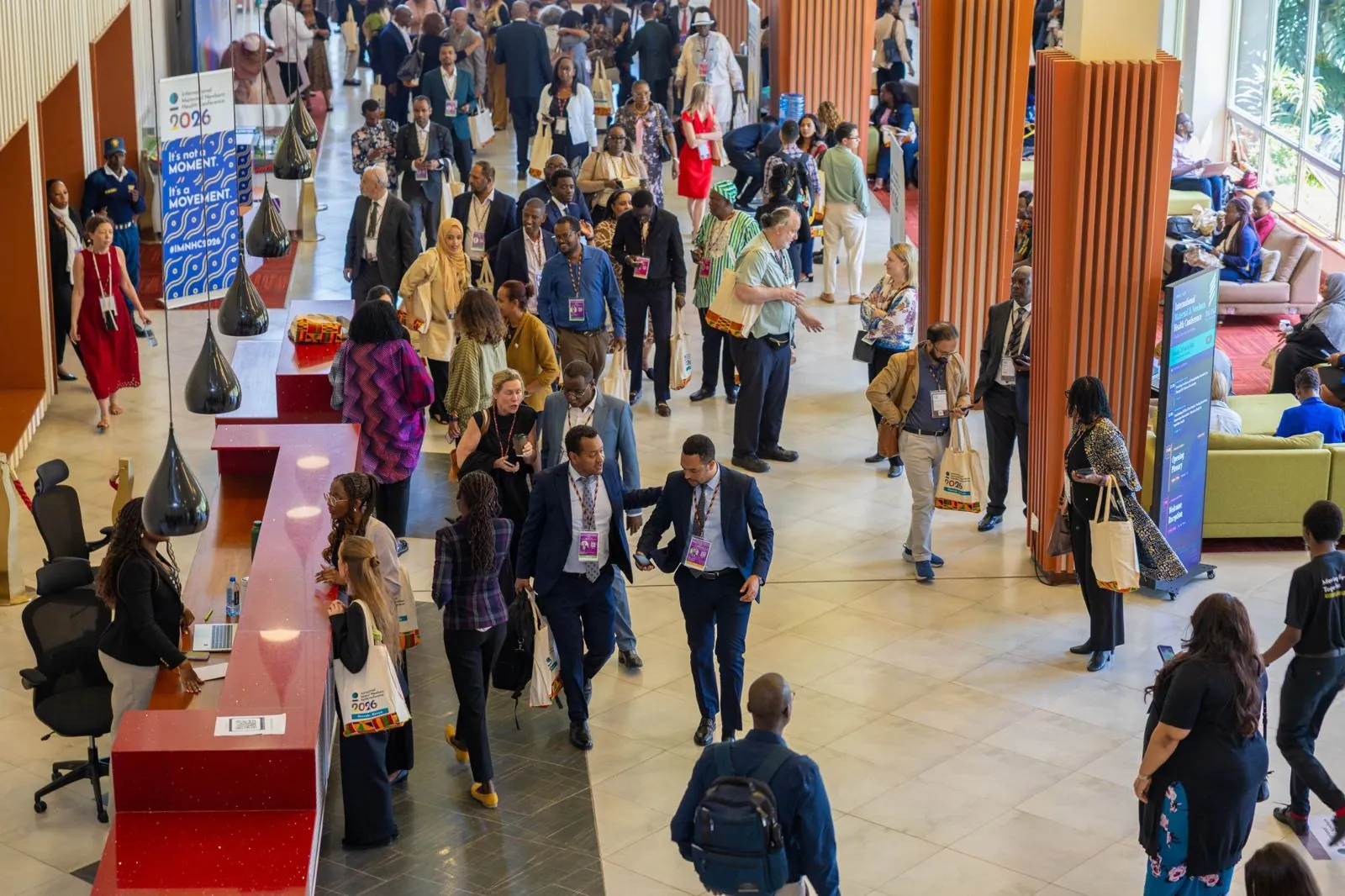
For this project, we worked with Edge Convention Centre. The venue gave us what a conference of this scale genuinely needs: a dedicated registration lobby large enough to host government accreditation and guest tag issuance without bottlenecks, a secretariat to house the event team, and a main ballroom that hosted all plenary sessions and could be split into three breakout rooms when the programme called for it.
Beyond the ballroom, the venue accommodated 40 rooms in total. These included country delegation rooms, meeting rooms, quiet rooms, a lactation room, and two tented breakout spaces alongside the indoor rooms. Configurations ran across boardroom, classroom, amphitheatre and outdoor tented setups. The exhibition marquee also doubled as the lunch area.
The lesson: before confirming a venue, map every function the conference performs. Registration, plenary, breakouts, exhibition, catering, speaker preparation, secretariat, medical, lost and found, VIP holding, country delegations, quiet and wellness spaces. Each one needs real estate. If a venue cannot host all of them without compromise, it is not the right venue.
Registration, wayfinding, and the delegate experience
Three systems determine how a delegate experiences the first hour of a conference: how fast they get registered, how easily they find their next session, and how confident they feel about where to go.
Registration. We integrated the client's registration software with our own and deployed ten on-site printing stations with QR code readers. There were no queues. A delegate arrived, scanned, printed and walked through.
Wayfinding. We built a full floor layout and deployed layered signage: directional, room identification and session-specific. Every attendee's bag included a pocket guide showing every space in the venue and where each session was happening. A delegate should never have to ask where to go. If they are asking, the signage has failed.
Speaker management. For 1,800 delegates across multiple parallel tracks, speaker logistics becomes a project of its own. The client used Dryfta, which allowed speakers to upload presentations in advance. On site, we ran a dedicated speakers' presentation room, with a team whose only job was supporting speakers through their session handover.
Each of these is a small system. Together, they remove the friction that makes large conferences feel chaotic.
How do you staff a 1,800 pax conference?
This is the part most people underestimate.
Our total Waridi internal delivery team was 90 people. The structure that made it work was simple: every room was treated as its own event. Each room had a producer, a sound engineer, an AV technician, a lighting technician, a videographer, and ushers from the planning team. Every floor had floor coordinators whose only job was to ensure the rooms on that floor were running on time and on brief.
Within the Waridi team, we assigned specialists to specific domains. The exhibitor coordinator and her assistant owned everything exhibition-related. The catering coordinator owned every meal moment across the venue. No one was responsible for "everything". Everyone was responsible for something specific.
Holding all of this together was the run of show, a single document that specified, for every area of the venue, what was happening in terms of room setup, programme activity and special requirements. The run of show is the conference. Without it, 90 people are just 90 people in a building. It is also what allows multiple vendors to work in parallel without colliding, which is what the next section is about.
Programme coordination: the choreography between sessions
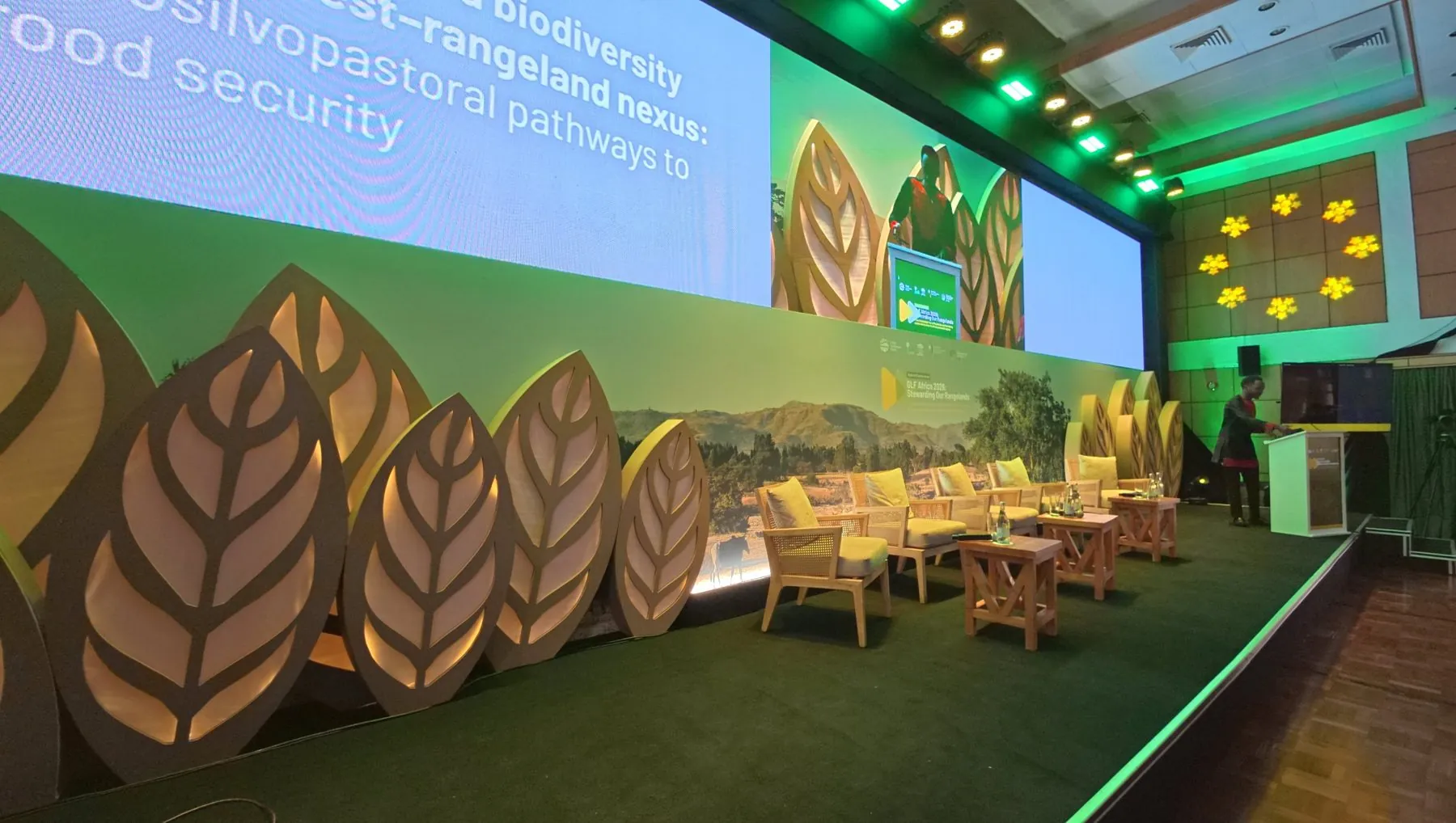
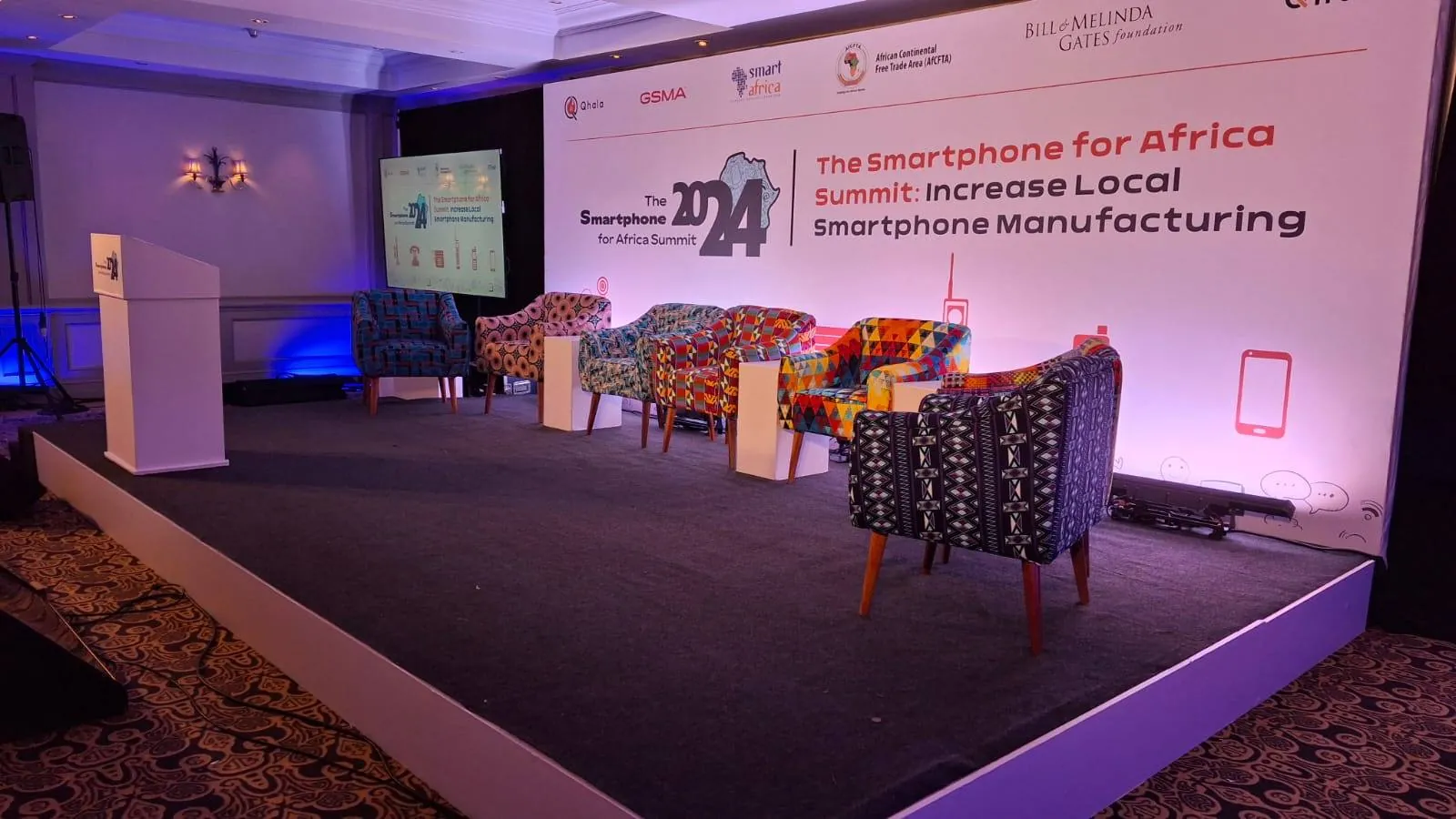
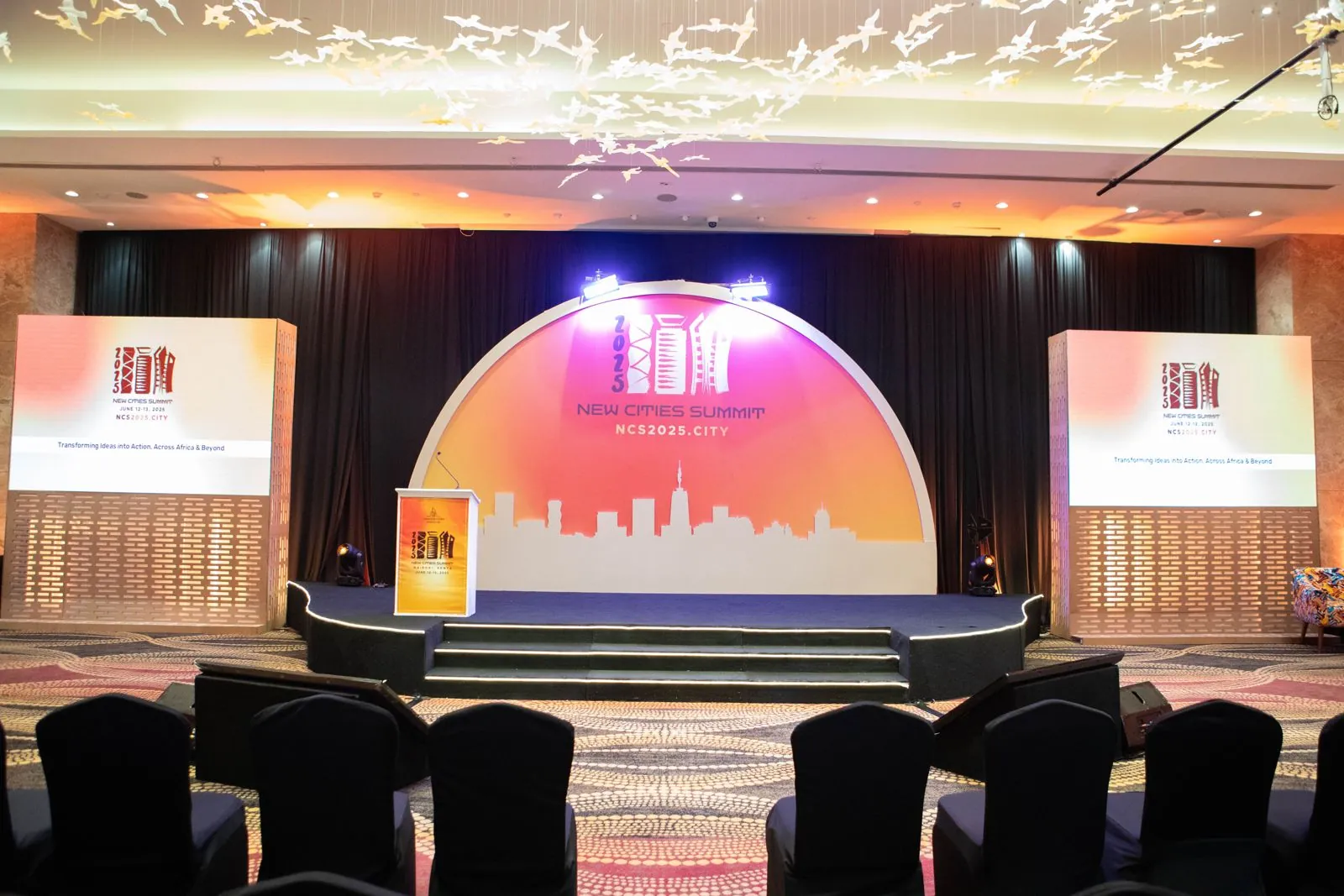
One of the ballrooms at this conference did not stay the same for three days. It was rebuilt five times, with different room configurations for plenary and exhibition showcases. Every one of these transitions had to happen in a defined window, usually during a tea break or lunch, without a delegate noticing.
That level of turnaround is not a logistics problem. It is a coordination problem.
The solution is a minute-by-minute choreography between vendors. The AV team, the staging team, the branding team and the Waridi floor coordinators work from the same run of show, but each has a parallel task list indexed to the same clock. When a session ends at 10:30, the stage crew is already in position. The AV team has already re-patched. The branding team is already moving the backdrop. Each vendor knows not just what they are doing, but what every other vendor is doing in the same thirty-minute window.
This only works if two things are true. First, every vendor has been briefed on the full turnaround plan before the conference begins, not just their own piece of it. Second, there is a single coordinator on site whose only job is to call the transitions and confirm each vendor is ready before the next session opens. On this project, that role sat with our production lead, working directly with the AV producer and the floor coordinators.
The delegate sees a seamless programme. What they do not see is five stage builds, multiple exhibition rotations and a dozen room resets, each one executed in under thirty minutes because every vendor knew exactly what the next thirty minutes looked like for everyone else.
The systems delegates never see
The remaining systems are the ones a delegate only notices when they fail.
Catering across three floors. Spreading meal service across multiple floors prevents the bottleneck that turns lunch into a forty-minute queue. It requires coordinated timing, consistent food stations and clear signage for each location.
On-site medical and emergency services. A fire engine and multiple ambulances were stationed on site throughout the conference. At 1,800 delegates, this is not overkill. It is the baseline. EMS presence is part of the design, not a reaction to risk.
Lost and found. A dedicated section for lost items, staffed and logged. A small detail with a large impact on the delegate experience.
Transport and arrivals. A dedicated bus schedule across six delegate hotels, and a welcoming committee at the airport for arriving delegates. The conference begins when the delegate lands, not when they walk into the venue.
The point
None of the elements above is individually complex. What makes 1,800 pax delivery difficult is that all of them have to work at the same time, for the same days, across the same building, executed by the same team.
A conference of this scale is not delivered by effort. It is delivered by structure.