Why some conferences belong in spaces with history, greenery and room to breathe.
Nairobi's MICE landscape is increasingly defined by glass towers, high-rise ballrooms and polished interiors. And while those spaces serve an important purpose, not every conference benefits from a modern, contained environment.
For organisations searching for corporate event planning companies or trusted Kenyan event agencies, the question is not simply which venue is available, but which venue aligns with programme design.
Some programmes require movement. Some carry emotional weight. Some are designed around dialogue rather than presentation.
In those cases, the venue should not simply host the conference; it should support how it unfolds.
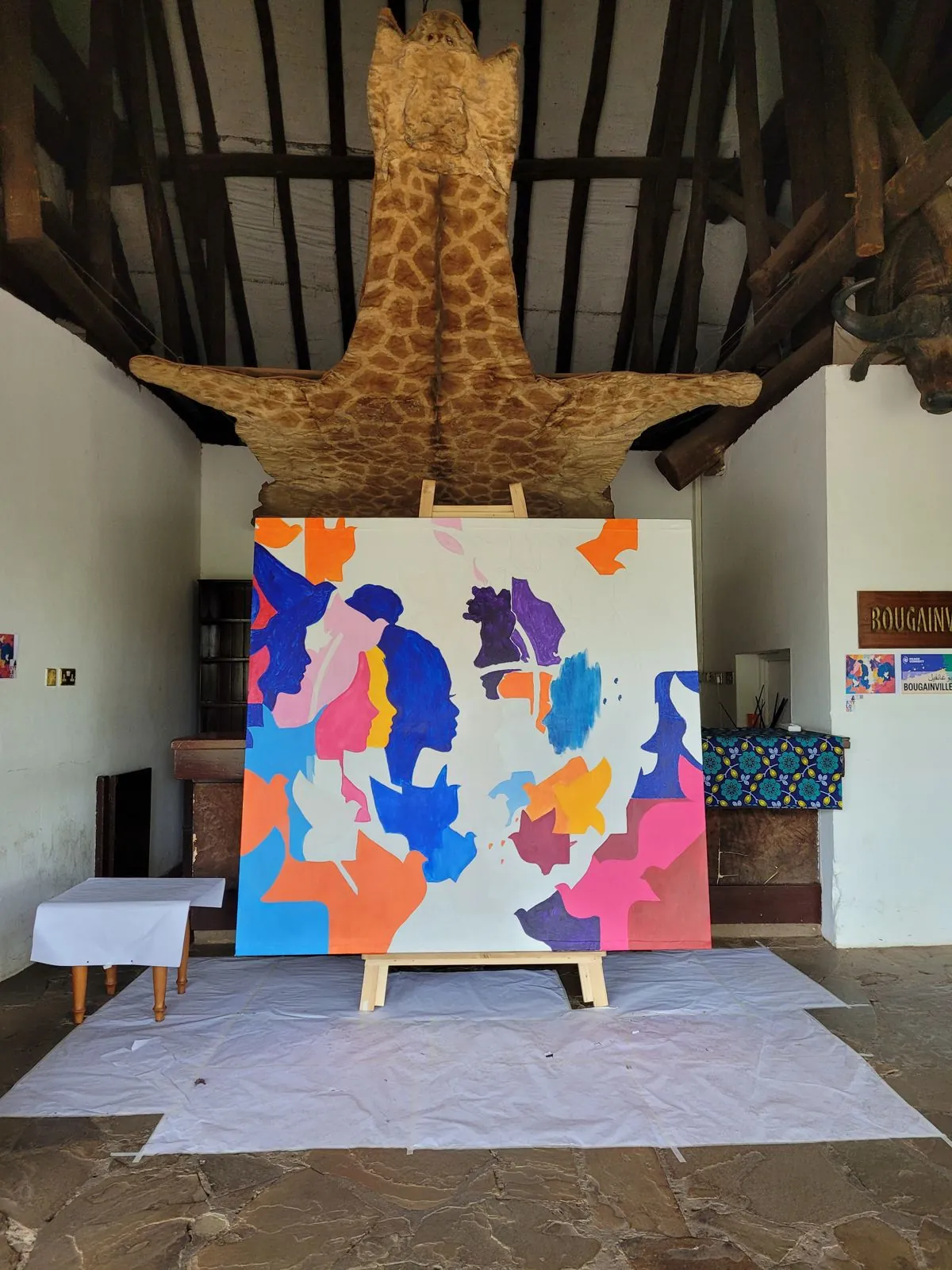
This is why legacy spaces like Safari Park Hotel & Casino continue to matter in venue selection. Not because they are historic, but because they allow conferences to breathe.
When Emotional Weight Needs Green Space
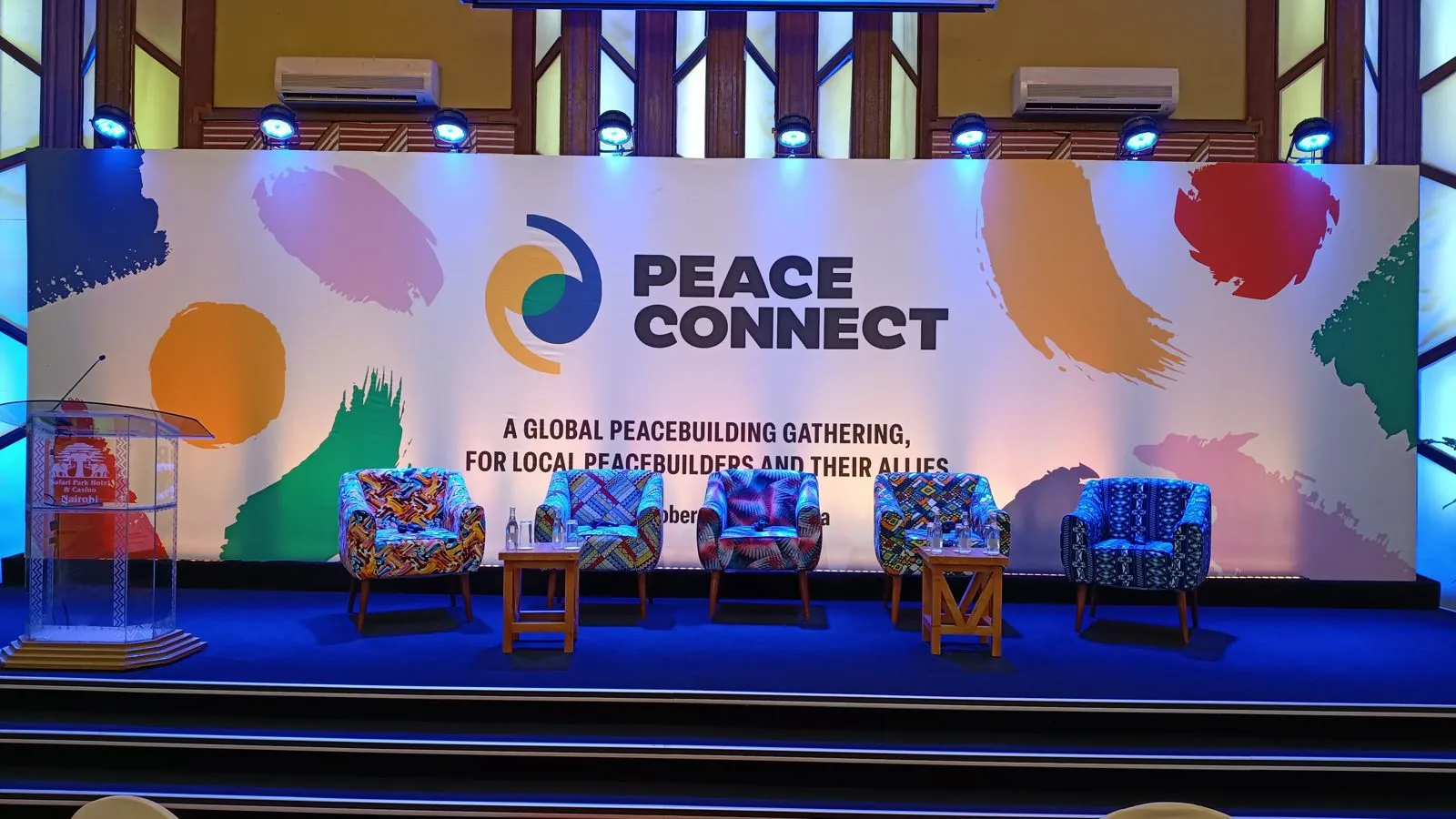
At Peace Connect, the programme was content-heavy. Conversations carried political and social depth. Delegates were not just attending; they were engaging with complex, and at times difficult, themes. In environments like this, pacing becomes critical.
The open gardens and outdoor spaces allowed for:
- Intentional wellness breaks
- Smaller, more intimate side conversations
- Psychological decompression between sessions
The greenery softened the intensity of the dialogue without diminishing its seriousness. This was not aesthetic preference. It was programme design logic.
This is where local legacy venues often outperform newer counterparts with modern interiors, and it is a consideration Waridi factors into high-level design strategy.
When Dialogue Requires Spatial Democracy
For the Nalafem Feminist Summit (2022), format mattered as much as content.
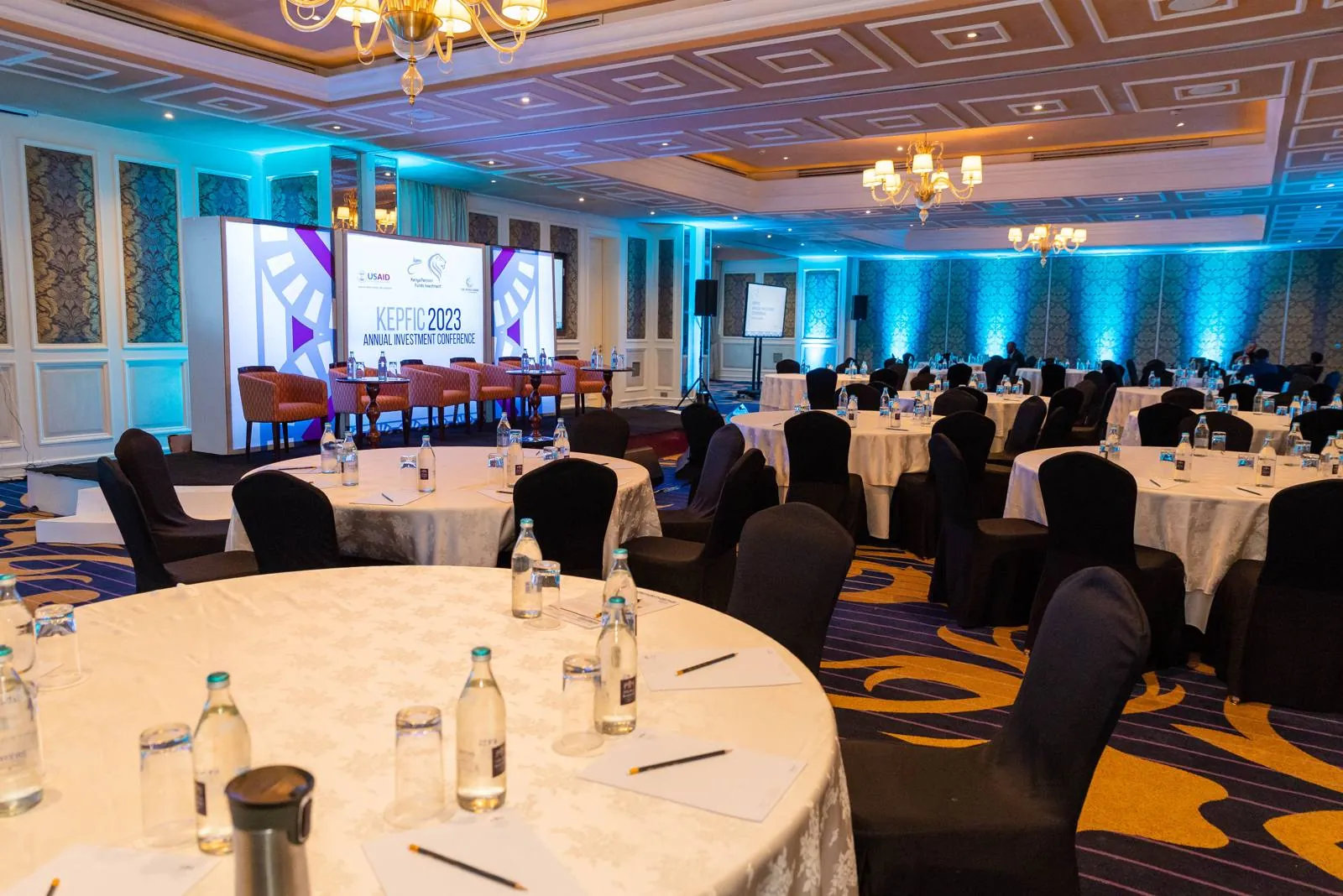
The plenary was designed as a fishbowl conversation, with the stage positioned in the centre and participants encircling the speakers. This configuration signalled participation, equity and shared ownership of dialogue. The Jambo Ballroom accommodated this comfortably. The space allowed:
- A central stage without spatial strain
- Audience proximity
- Clear sightlines across a non-traditional layout
Layouts are not decorative decisions. They are governance decisions. A venue that cannot flex beyond theatre or banquet limits the programme before it begins.
When Theme and Environment Must Align
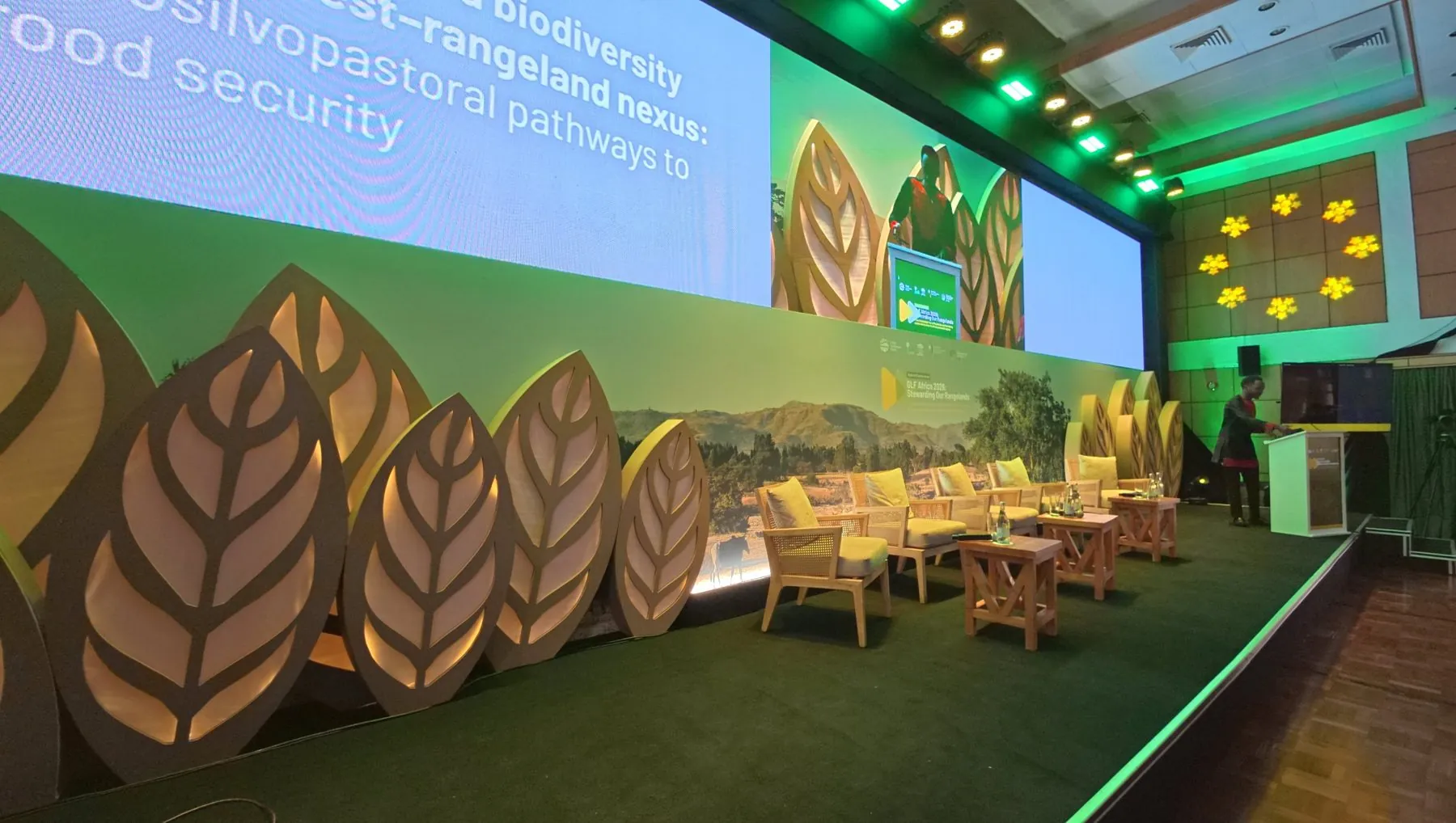
In a modern MICE landscape, legacy venues are sometimes overlooked in favour of newer architecture. Yet legacy spaces often offer:
- Campus-style layouts that support pacing
- Mature greenery that creates natural decompression zones
- Multiple pavilions and ballrooms that allow programming to spread intentionally
- Practical advantages such as proximity planning, as seen when the Pavilion hosted a dinner for the Africa Fact Check conference while plenaries were held nearby at USIU
These are strategic considerations. Modernity is not always the measure of suitability. Alignment is.
Who This Works For
A venue like Safari Park is particularly suited to organisers who:
- Are hosting emotionally or intellectually weighty programmes
- Value open space and participant movement
- Intend to use participatory or non-traditional layouts
- Appreciate character and environmental context over hyper-modern minimalism
The Role of the Strategic PCO
Venue selection is often treated as a procurement step. In reality, for Waridi it is one of the earliest programme design decisions, sitting at the intersection of overall project management, corporate meeting planning strategy and our event management advisory.
At Waridi Events, we evaluate venues not only on capacity and cost, but on:
- Layout flexibility
- Environmental alignment
- Delegate flow
- Thematic coherence
Because the wrong space can undermine a strong programme, and the right one can quietly elevate it.
Planning a conference in Nairobi? Start with a clear brief. We assess venue alignment as part of our structured conference planning approach, not as an afterthought.