For many international organisations, Africa is no longer a question of relevance. It is a question of execution.
Can it be delivered to global standards? Can governance be maintained? Will timelines hold?
Yes, if the structure is right from the outset.
Conferences succeed in Africa for the same reasons they succeed anywhere: clear scope, disciplined planning and strong local partnership. Where they struggle, it is usually because those fundamentals were underestimated. Here is what matters most.
A Local PCO Is Part of Your Risk Strategy
In many African markets, regulatory interpretation, procurement alignment, tax frameworks, currency movement and contracting norms require local fluency. A Professional Conference Organiser on the ground does more than coordinate suppliers. They:
- Translate regulation into workable timelines
- Align your organisational procurement standards with local compliance
- Structure vendor contracts appropriately
- Manage payment terms and currency realities
- Coordinate visa documentation and accommodation logistics
- Handle all your end-to-end event logistics
When this layer is handled well, the process is straightforward. When it is not, complexity compounds. The issue is rarely the destination. It is whether the right operational partner is embedded early.
Infrastructure and Technical Standards Are Established
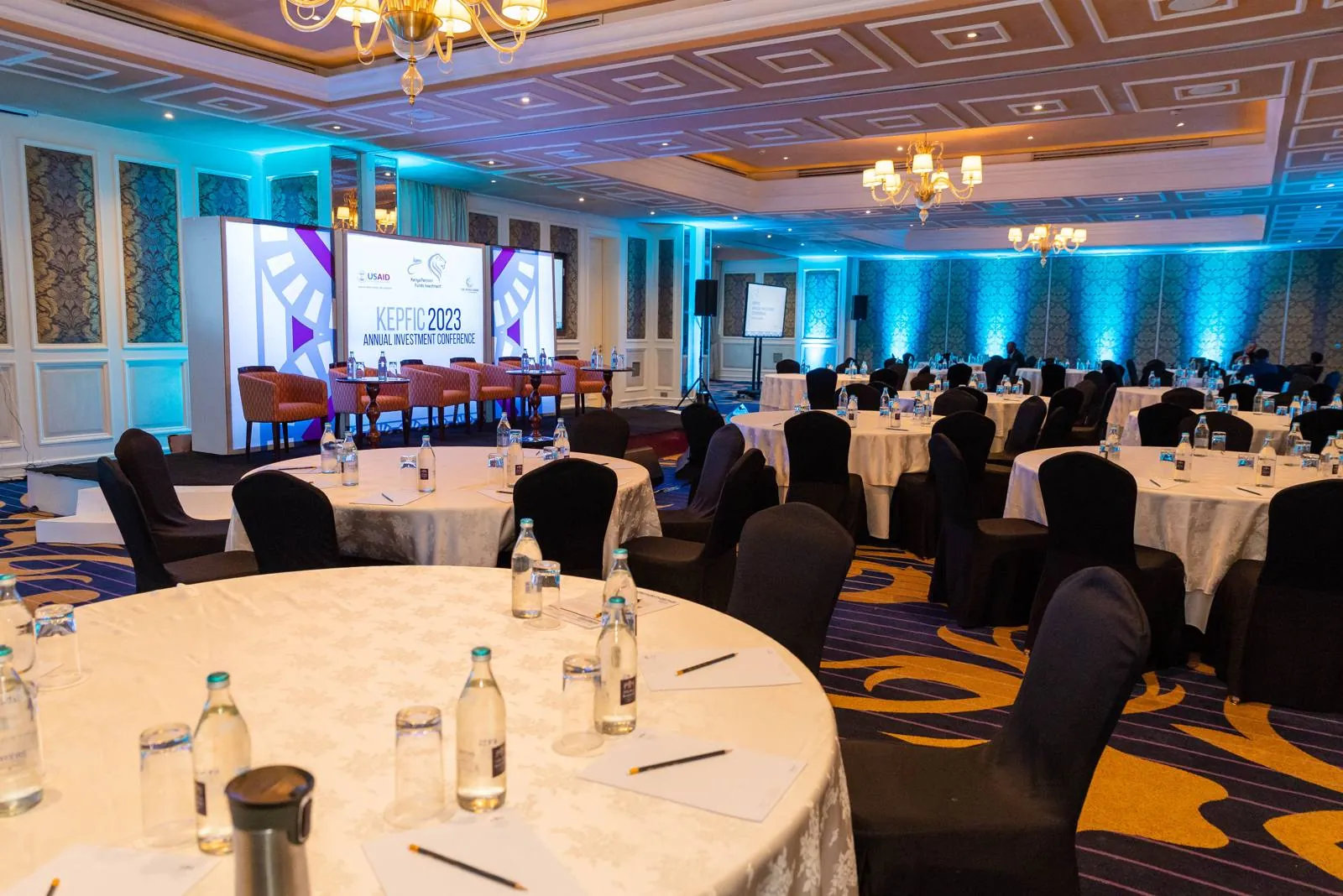
The perception that hosting in Africa requires adjusting expectations is outdated. Across key cities, you will find:
- International standard convention centres
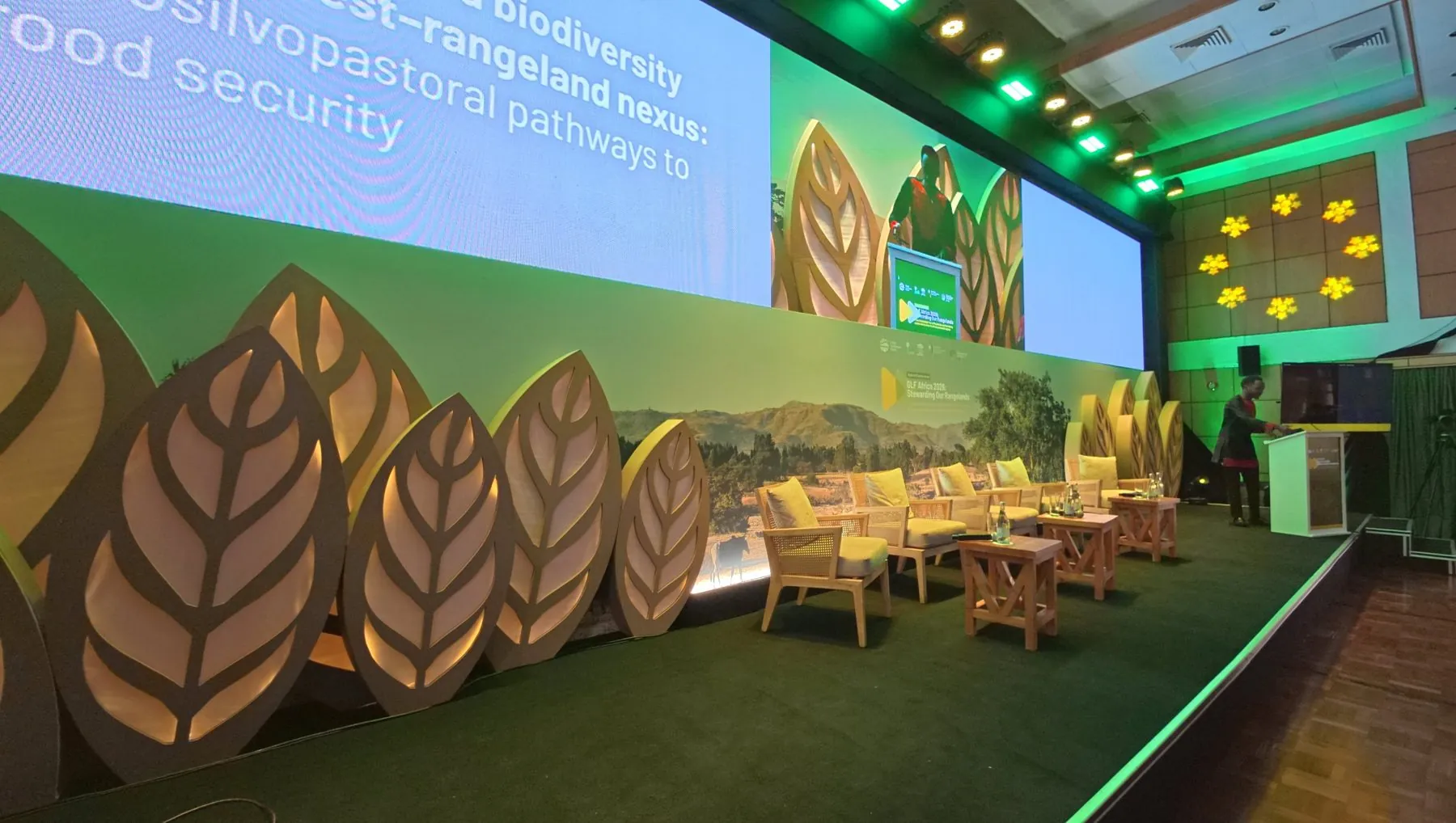
- Experienced AV and production teams
- Global hotel brands
- Reliable transport and logistics networks
- Interpretation and hybrid streaming capability
- Proper internet infrastructure
The infrastructure and technology ecosystem in many markets is mature and highly adaptive.
Sustainability Is a Strategic Advantage
Africa contributes the least to global carbon emissions collectively, yet remains underrepresented in global convening cycles. For organisations with ESG and equity commitments, this matters. Hosting on the continent can support:
- More balanced geographic representation
- Inclusion of regional expertise
- Partnerships with emerging green venues and suppliers
- Alignment between global dialogue and regions directly affected by climate change
Sustainability is not only environmental. It is also structural.
Integrating Local Identity Strengthens the Programme
The strongest conferences do not treat culture as an add-on. They integrate context into programme design. This may include:
- Collaboration with local industry associations
- Partnerships with universities and structured volunteer programmes
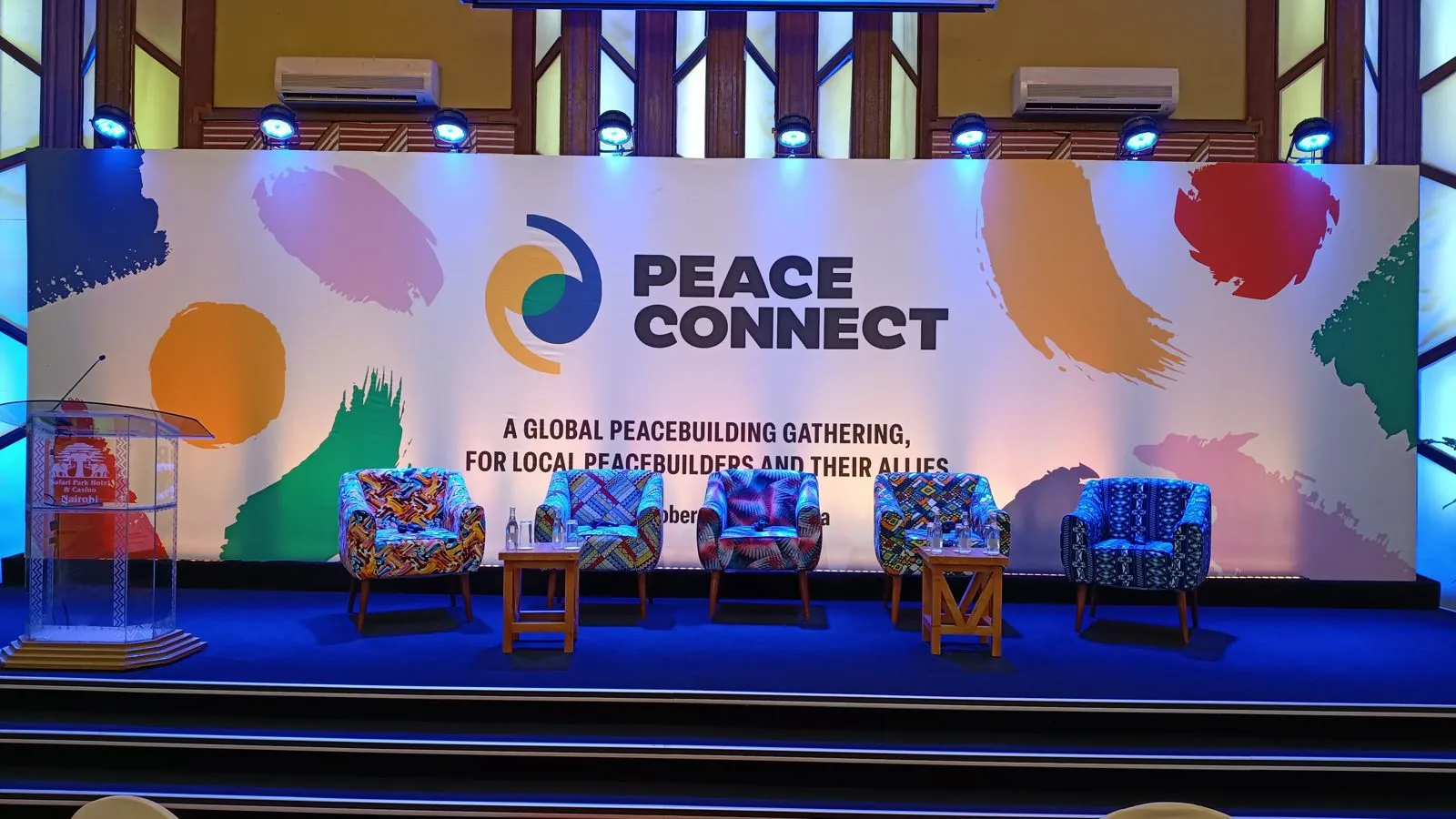
- Engagement of regional creative teams
- Curated excursions that reflect the place
Africa offers depth, perspective and environments that delegates remember long after the closing session. When integrated thoughtfully, local context elevates the experience rather than distracting from it.
Cost and Value
In many African destinations, venue hire, labour and supplier costs are competitive compared to more developed conference hubs. However, the advantage is not simply affordability. It is value for scope. With proper planning:
- Visa support can be coordinated through experienced agencies
- Accommodation blocks can be secured efficiently
- Supplier negotiations can deliver strong commercial outcomes
- Local partnerships can extend programme reach
Delivery is entirely manageable when expectations are clearly defined and leadership is local and experienced.
A Better Question
Rather than asking whether Africa can host a global event, a better question is: is your convening strategy geographically aligned with the communities your work affects?
Africa offers capability, infrastructure and perspective. Success depends on preparation and partnership.
For organisations exploring the region, the starting point is simple: a well-defined brief and early engagement with a local PCO who understands both global standards and local realities.
Confidence in delivery begins long before delegates arrive.