In a world where events are often planned with a checklist rather than a clear purpose, intentional event design emerges as a game-changer. This approach ensures that every detail, from venue selection to seating arrangements, is meticulously crafted to serve a greater goal. By aligning every decision with the event's purpose, organisers can create experiences that are not just memorable but also deeply meaningful.
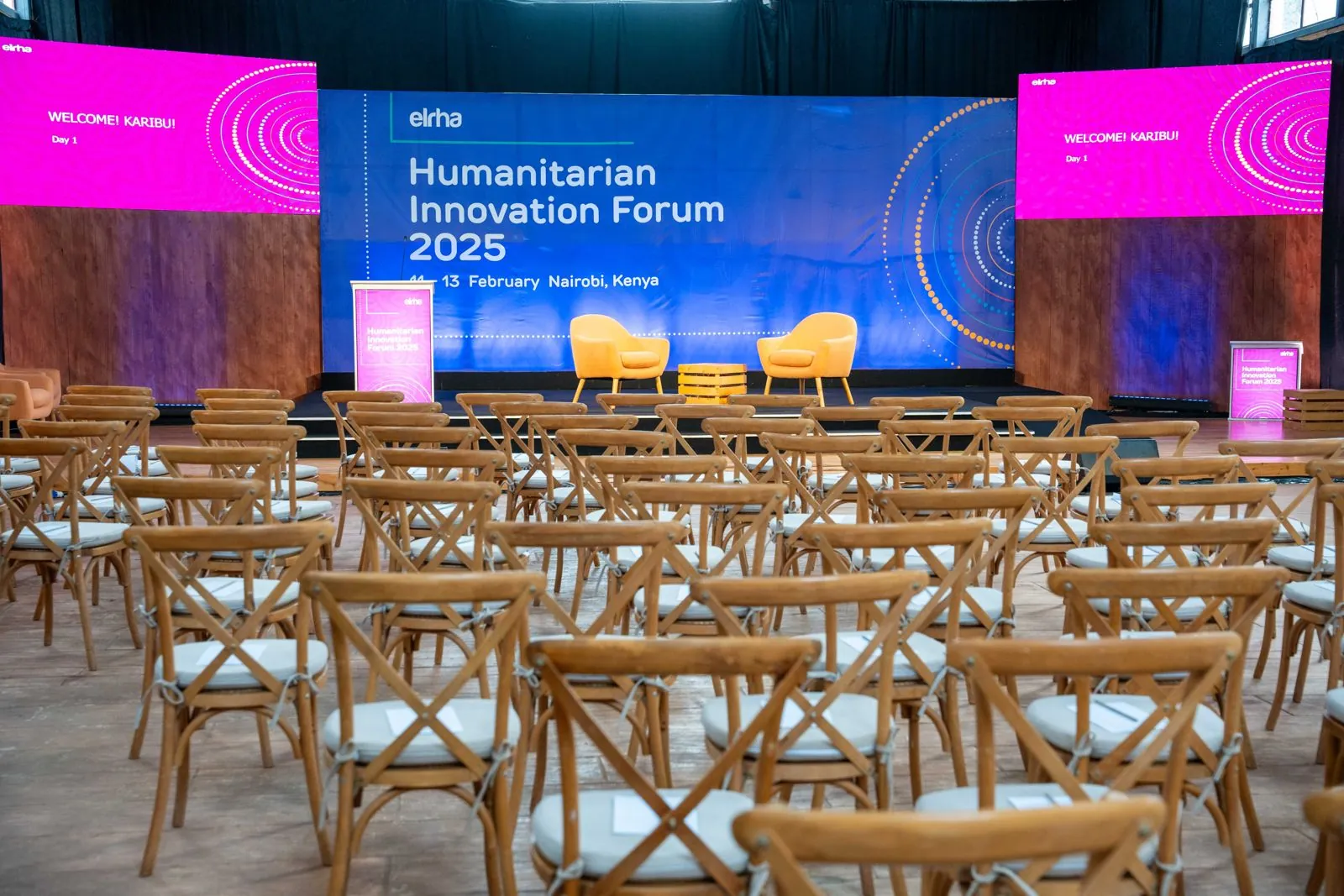
A prime example of intentional event design in action is the Elrha Innovation Forum. This event exemplified careful planning with sustainability, inclusivity, accessibility and interactive engagement at its core. Every element was thoughtfully curated to enhance the experience and reinforce the event's objectives. Here's a breakdown of how intentionality shaped the Elrha Innovation Forum:
Venue Selection: A Commitment to Sustainability
The venue, Shamba Events, was chosen for its lush green space and serene environment, aligning perfectly with the forum's commitment to sustainability. The natural setting not only provided a refreshing atmosphere but also underscored the event's eco-conscious values.
Paperless Registration & Sustainable Lanyards
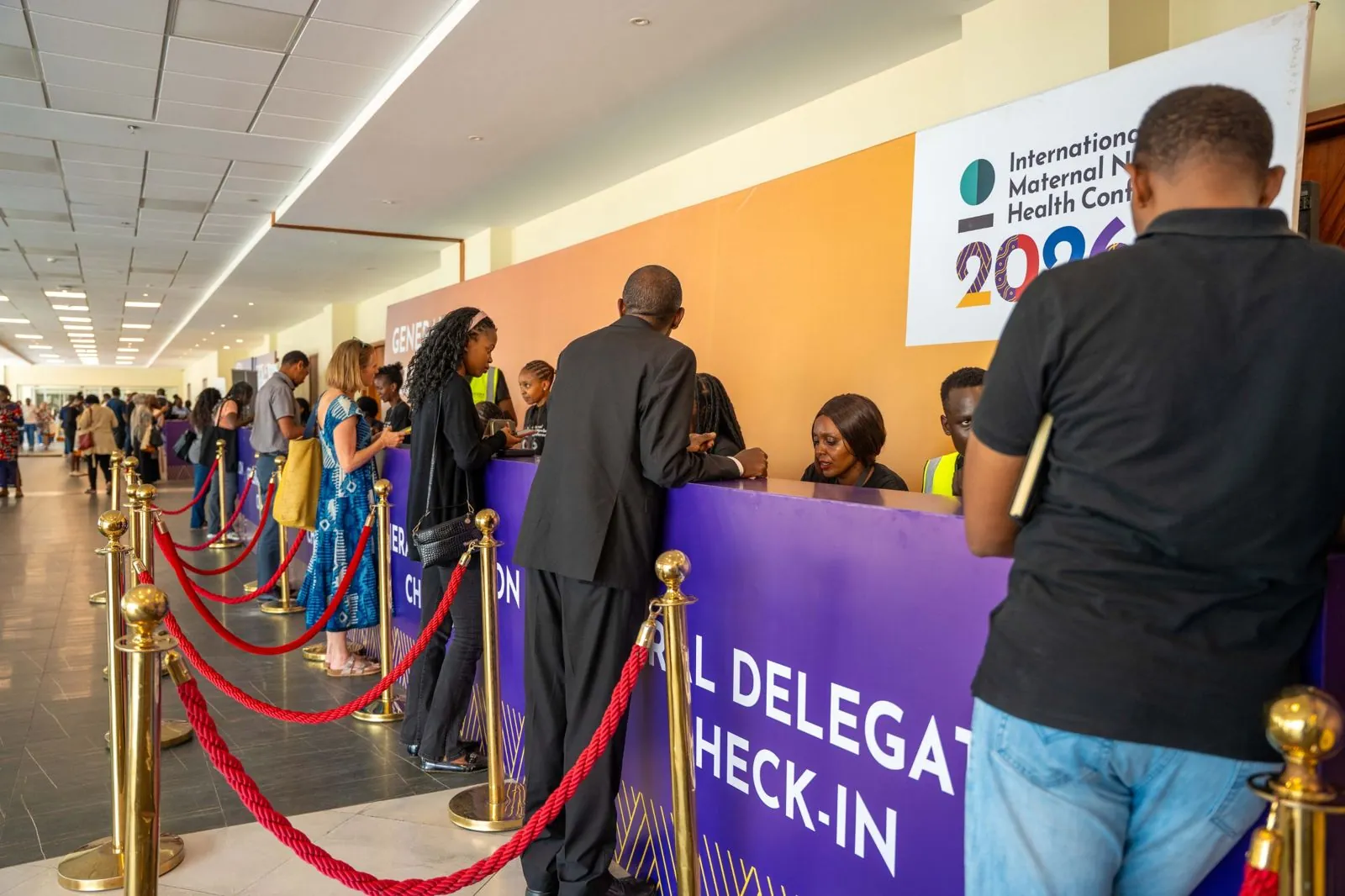
In an effort to minimise waste, registration was conducted digitally on an electronic platform, reducing paper usage significantly. Additionally, the lanyards were handcrafted beaded items, both reusable and biodegradable, made through an initiative that empowers women from informal settlements to earn an income and support their families, further emphasising the event's sustainability goals.
Interactive & Thoughtfully Structured Programme
Rather than a monotonous sequence of lectures, the programme was designed with intentional interactive breaks. After an engaging session, attendees had dedicated one-on-one interaction periods before moving on to the next discussion. This ensured deeper engagement and meaningful networking opportunities.
Inclusivity & Accessibility
The stage setup featured a ramp to ensure accessibility for individuals with disabilities. Additionally, a separate podium was provided to foster inclusivity, ensuring that every attendee was thoughtfully considered and actively included in the event's engagement.
Adaptive Seating for Maximum Engagement
The seating arrangements were adjusted dynamically based on the type of session. For instance:
- Fishbowl style: used for highly interactive breakout discussions to encourage participation and dynamic dialogue.
- Theatre style: used for presentation segments to maintain focus and structure.
This adaptability ensured that the seating layout complemented each session's objectives rather than being a static, one-size-fits-all setup.
Minimal Branding for Maximum Impact
In line with sustainability principles, the event adopted minimal branding. This not only reduced unnecessary material usage but also created a clutter-free environment where the focus remained on the content and interactions rather than excessive corporate logos.
A Thoughtfully Curated Vegetarian Menu
Staying true to its sustainability mission, the event offered a fully vegetarian menu. This choice minimised the event's carbon footprint while promoting healthy and ethical dining options for attendees.
Conclusion: A New Standard for Event Planning
The Elrha Innovation Forum exemplifies how intentional event design transforms an event from just another gathering into an immersive, purpose-driven experience. By prioritising sustainability, meaningful engagement and thoughtful logistics, event organisers can craft experiences that resonate deeply with attendees.
For those looking to plan impactful events, the lesson is clear: every detail matters. Every decision should have a purpose. And when designed with intention, events have the power to inspire, engage and leave a lasting impact.
Need help with your upcoming event? We're here for you. Contact us today for a tailored proposal.